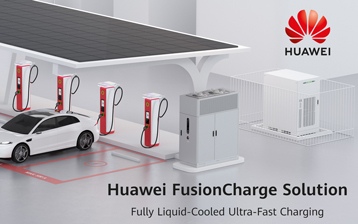
Huawei FusionCharge DC is an advanced ultra-fast electric vehicle (EV) charging solution, designed to deliver high performance, maximum efficiency and intelligent energy management.
Huawei’s approach goes beyond the traditional charging point, creating a comprehensive Smart Charging Network capable of integrating EV charging infrastructure, photovoltaic systems and energy storage within a single digital ecosystem.
Thanks to seamless integration with Huawei FusionSolar, the energy generated by the photovoltaic system can be used directly to charge electric vehicles, optimising self-consumption, reducing energy costs and improving overall system efficiency.
FusionCharge Power Unit: up to 720 kW
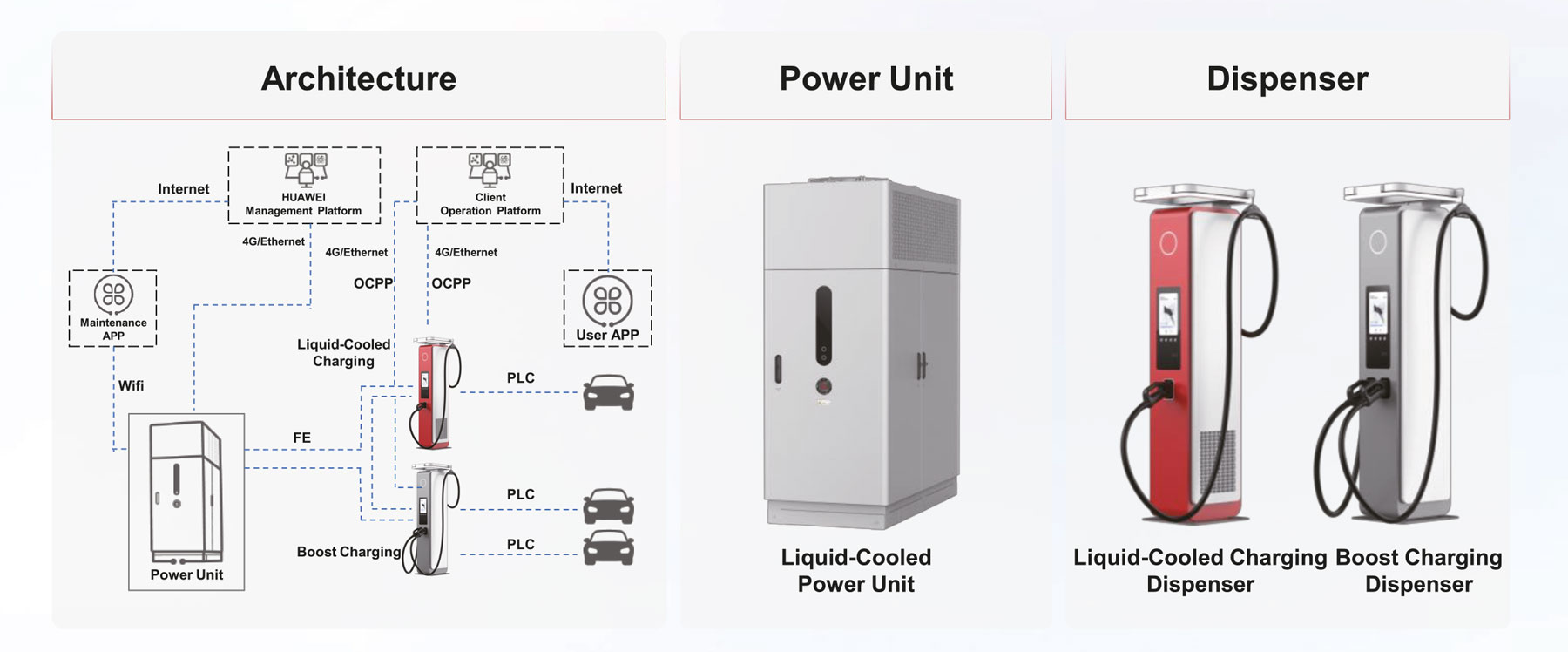
At the heart of the system is the FusionCharge Power Unit, the central unit where power conversion takes place.
Unlike traditional architectures, FusionCharge dispensers do not integrate power conversion electronics. Instead, they manage the connection to the vehicle, user authentication and the start of the charging session. This centralised architecture enables much more efficient management of the available power while significantly reducing noise levels in charging areas.
FusionCharge Power Units are currently available with power ratings of up to 600 kW and 720 kW, operate within a voltage range of 200 to 1,000 V DC and achieve a maximum efficiency of 95.5%.
One of the key advantages of the platform is dynamic power management through the Power Sharing Matrix, which allocates power modules to individual dispensers in real time according to the charging requirements of the connected vehicles.
This enables maximum utilisation of the available power, shorter charging times and reduced risk of overloading the electricity grid.
Huawei FusionCharge dispensers: Liquid Cooled and Air Cooled technologies
Huawei offers different types of dispensers designed to meet the requirements of a wide range of application scenarios.
Full Liquid Cooled technology for ultra-fast charging
The Full Liquid Cooled solution represents the most advanced technology in the FusionCharge range.
Coolant circulates through a sealed circuit, cooling both the electronic components and the charging cable. This enables the system to deliver up to 600 A continuously, while keeping the cable lightweight, easy to handle and convenient for users.
The technology also offers several operational advantages:
- operating voltage from 200 to 1,000 V DC;
- noise level below 55 dB, thanks to the absence of fans;
- IP65 protection against water and dust;
- high reliability, with a hardware service life of more than ten years.
Air Cooled technology for distributed charging infrastructure
Huawei also offers air-cooled dispensers, ideal for installations where ease of deployment and a widespread distribution of charging points are key requirements.
By using a single centralised AC/DC converter shared across multiple dispensers, this solution enables scalable charging infrastructure while optimising costs, space requirements and available power management.
In both configurations, the system automatically allocates power to individual vehicles according to their charging requirements, maximising the overall efficiency of the installation.
Integration with BESS and photovoltaic systems
One of the key features of the Huawei FusionCharge platform is its native integration with the FusionSolar ecosystem.
The charging infrastructure can be connected to Huawei LUNA2000 C&I energy storage systems via a dedicated DC bus, avoiding the double energy conversion typically required by AC-coupled architectures.
This approach increases overall system efficiency, reduces peak demand from the grid and maximises the use of energy generated by the photovoltaic system.
The integration of solar PV, battery storage and EV charging also enables advanced energy management strategies, helping to increase self-consumption and reduce operating costs.
Huawei FusionCharge DC for businesses, electric fleets and heavy-duty vehicles
Huawei FusionCharge DC is particularly suitable for applications where multiple vehicles with high power requirements need to be managed simultaneously.
Key applications include:
- high-power charging hubs;
- motorway service areas;
- corporate electric fleets;
- logistics depots;
- commercial and heavy-duty vehicles;
- high-turnover public and private car parks.
Dynamic power distribution makes it possible to optimise the available capacity while improving the efficiency of infrastructure investments.
Huawei brings Smart Charging to residential applications
The Huawei ecosystem also includes charging solutions for the residential sector.
The Huawei SCharger-7KS-S0, with 7.4 kW single-phase output, and the Huawei SCharger-22KT-S0, with 22 kW three-phase output, enable home EV charging to be integrated with SUN2000 inverters and LUNA2000 batteries.
Through the FusionSolar App, homeowners can monitor and manage their entire energy system, scheduling EV charging during periods of higher photovoltaic production and thereby maximising the use of solar energy.
A complete ecosystem for electric mobility
Huawei FusionCharge is much more than a standalone EV charging infrastructure.
By integrating photovoltaics, battery energy storage, intelligent energy management and electric vehicle charging, the platform provides a complete and scalable solution suitable for both residential installations and high-power charging infrastructure.
For installers, system designers and industry professionals, Huawei FusionCharge provides an advanced technological solution capable of addressing the evolving requirements of electric mobility while supporting the transition towards more efficient and integrated energy systems.
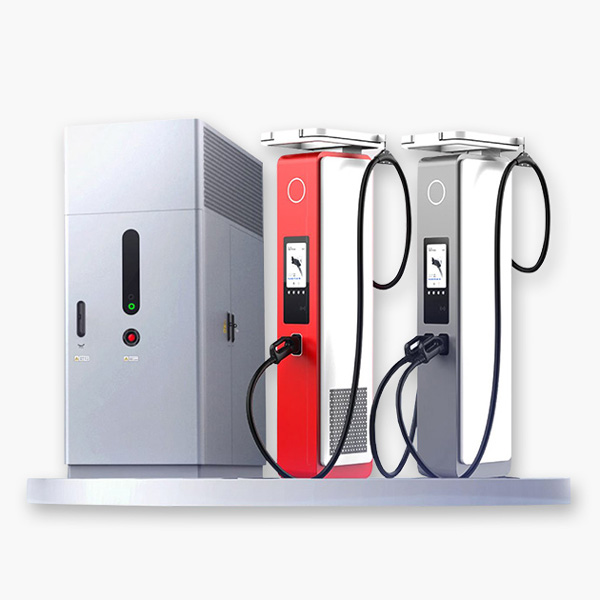
Huawei FusionCharge DC – Ultra-fast, centralised EV charging
Huawei FusionCharge DC is designed for high-demand environments such as motorways, commercial car parks, corporate charging hubs and heavy-duty vehicle fleets. It combines high performance with an intelligent architecture that maximises energy efficiency while reducing noise levels at the charging points.
- Power Unit: available in two power ratings, 600 kW and 240 kW
- Liquid Cooled Dispenser: 425 kW rated power
- Boost Dispenser: 375 kW rated power
600 kW and 240 kW Power Units – Intelligent centralised architecture
At the heart of the system is the Power Unit, available in two sizes – 600 kW and 240 kW – both featuring liquid cooling technology. This centralised architecture moves power conversion away from the dispensers, helping to reduce noise levels close to the vehicle.
The variable output voltage range of 200 to 1,000 V DC and a maximum current of up to 500 A per connector ensure broad compatibility with a wide range of electric vehicles.
Thanks to the Power Sharing Matrix, available power can be distributed dynamically and efficiently across multiple dispensers, ensuring optimised charging under different operating conditions.
Dispensers for individual or simultaneous charging
Huawei dispensers are available in two configurations designed to meet different operational requirements.
The Liquid Cooled Dispenser, featuring a single liquid-cooled CCS connector, delivers up to 425 kW rated power.
The Boost Dispenser features two naturally cooled CCS connectors, each capable of delivering up to 375 kW, making it particularly suitable for sites where installation space is limited.
Efficiency and low-noise operation
The modular liquid-cooled design and centralised power conversion architecture provide tangible operational benefits. The system operates at high efficiency, helping to reduce energy consumption and heat dissipation, while keeping noise levels close to vehicles to a minimum.
Who is Huawei FusionCharge DC designed for?
Huawei FusionCharge DC is designed for operators requiring an ultra-fast EV charging station with multi-vehicle charging capabilities. It is particularly suitable for fleet management, industrial sites, motorway charging stations and high-traffic car parks.
The solution is also well suited to locations with limited installation space or strict noise requirements, while its intelligent power management can help optimise the grid connection capacity required.
Related products
-
Energy Mobility, Wallbox
Wallbox: Pulsar Plus
Intelligent charging system for electric vehicles. Compact and intuitive product, which is suitable for both private and public environments. Available in both single-phase and three-phase versions, respectively in the 7.4 and 22 kW sizes.
- Power boost
- Connectivity
- Connector Type 1 or Type 2 (7.4 kW) / Type 2 (11 kW y 22 kW)
SKU: n/a -
Circontrol, Charging station
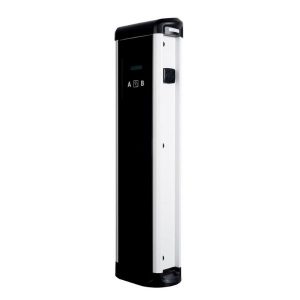
Post eVolve Smart, Master-Slave (T)
Post eVolve is Circontrol’s series of electric vehicle charging stations for public or semi-public purposes, available in several versions:
- eVolve Smart T Post: for a reduced number of charging points
- eVolve Master T Post (to be combined with eVolve Slave T): for multiple installations with many charging points
The main features are:
- OCPP 1.6J protocol
- Ethernet/Modem for data transmission
- RCD Type A+ DC 6mA
- Sturdy structure and Anti vandal-key
SKU: n/a -
Energy Mobility, Mennekes, Wallbox
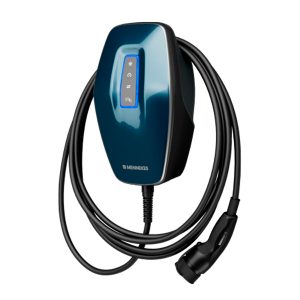
Mennekes – AMTRON 4You 300
AMTRON 4You 300 is the Mennekes essential and reliable wallbox for charging electric vehicles at home, designed to ensure maximum safety and ease of installation.
- 4 kW, 11 kW, and 22 kW versions with integrated 7.5 m Type 2 cable
- Quick and intuitive configuration via dip-switch
- RFID authentication
- Load management function via external meter
- Robust and suitable for indoor or outdoor installation (IP54, IK08)
SKU: n/a -
Energy Mobility, Mennekes, Wallbox
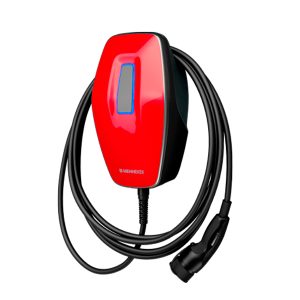
Mennekes – AMTRON 4You 100
AMTRON 4You 100 is the basic wallbox from Mennekes designed for home charging, ideal for those looking for a simple, reliable, and immediate solution for private charging without smart functions.
- Available in 7.4 kW, 11 kW, and 22 kW versions with integrated 7.5 m Type 2 cable
- Plug & play charging without authentication
- Quick and easy installation
- Safe operation with integrated DC 6 mA residual current detection
- Robust and suitable for indoor or outdoor installation (IP54, IK08)
SKU: n/a